
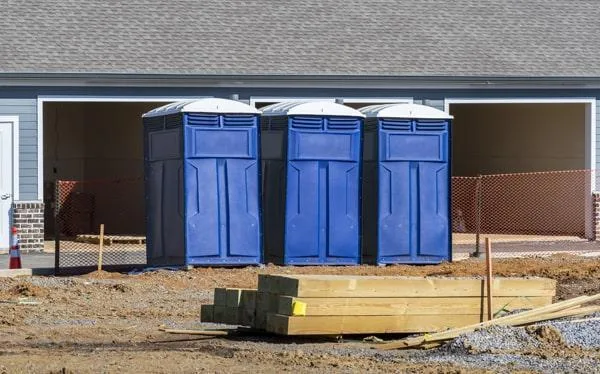
Protect the workers’ route as a separate task
Confirm that workers can still reach toilets and washing without entering an active vehicle operation. A service vehicle delay and an unsafe user approach are different problems. Have the responsible project team assess movement, surface and the continuing availability of the required facilities.
A standard unit supplies the ordinary toilet function; accessible equipment and washing require explicit consideration. If the temporary work arrangement leaves facilities unusable for a group, discuss an accepted alternative with the provider and supervisor. Do not alter, tow or lift installed rental units informally.
Identify the work operation that changes access
A concrete delivery or other concentrated work operation can occupy the access that normally serves the site toilets. Review that day’s vehicle and pedestrian movements in advance. The cabin may stay in its original place while the operating conditions around it change completely.
Ask the site supervisor when a pump, delivery vehicles, lifting operation or material staging will occupy the approach. Explain the relevant work windows to the restroom provider. A routine service arrangement should not be left to a driver discovering a blocked entrance on arrival.
For example, a clear access lane during ordinary fit-out can become a working area during a planned pour. Discuss a suitable servicing arrangement and any approved alternative access before that operation begins. Do not promise that a vehicle can squeeze past active work or treat a temporary obstruction as the provider’s responsibility to resolve.
Keep waste and supplies on the agreed plan
Review tank care, cleaning and paper for the actual workforce and occupied hours. Include washing water, soap, drying and used-water responsibilities. An intensive workday may bring extra subcontractors or longer shifts, so report that changed use rather than focusing only on vehicle access.
Give the nominated site contact a clear way to report shortages, damage or an inaccessible unit. Routine observations do not authorise waste handling or equipment repair. If access cannot be maintained, agree what the provider can support instead of waiting for the scheduled visit to fail.
Return to a workable arrangement after the operation
When the concentrated work ends, check that materials, barriers or newly placed equipment have not permanently blocked the previous route. Tell the provider about any lasting change. A temporary access instruction should not remain in circulation after it has become inaccurate.
For a new quote or revision, include the Chicago address, crew pattern, full use period and planned access restrictions. Confirm delivery, care visits and collection. The same coordination is needed during breakdown, when debris removal and other suppliers may compete for the route out.
Questions before you book
Can the routine service visit happen during an active pour?
Describe the actual operation and ask the provider and project team to agree workable access and timing. Do not assume it can proceed through active vehicle movements.
What if the toilet has not moved but the lane has changed?
Recheck both worker and provider access. A fixed unit position does not mean the arrangement remains usable.