
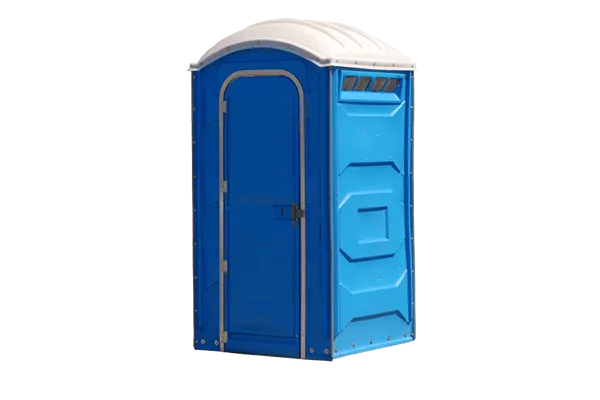
Choose a basic cabin for the required function
Confirm the fittings offered with the standard model, including the toilet, door latch, paper provision and any urinal or sanitizer dispenser. Do not assume flushing, an internal sink, lighting or a particular interior size. A standard unit answers an ordinary toilet need; added functions should be identified explicitly.
Discuss accessible equipment and a suitable approach for the actual users. Soap-and-water washing may require a separate station. A deluxe cabin or trailer is worth comparing when its confirmed features answer a need, rather than simply because it looks different in a photograph.
Identify the people covered by the order
A standard portable toilet provides a private cabin and holds waste for provider servicing. At a shared property, its usefulness also depends on who is allowed to enter it. Establish the intended users before counting a unit already sitting beside another activity.
A contractor may arrange a cabin for its own crew while another group works nearby. That physical proximity does not make the same equipment available to every visitor, tenant or supplier. Ask the responsible rental contact whether shared use is agreed and how the additional demand would be handled.
For example, a small installation crew can arrive after a larger contractor has arranged facilities. Adding those workers to the approved usage plan may be practical, but sending them to a locked or restricted cabin is not a solution. Resolve permission and the care implications before removing toilets from the new request.
Make the agreed access visible on site
Describe a position that users can find without entering another contractor’s enclosure or crossing active loading. Keep the entrance and waiting space clear. If access is controlled, explain how authorised users obtain it throughout their time on the property without creating an obstruction around the door.
The provider also needs suitable delivery, servicing and recovery access. Share the surface, gates, overhead restrictions and any changes expected during the job. Property consent for one tenant’s activity should not be treated as automatic consent for a different equipment position or wider use.
Give shared use a shared reporting route
Agree who checks paper, cleanliness, visible damage and the washing supplies, and who tells the provider about heavier use. Additional users can affect both equipment quantity and servicing. A unit that looks lightly used when one supervisor leaves may be busy during another group’s shift.
For a quote, send the Chicago address, dates, permitted user groups, hours, existing bathrooms and placement information. Ask for delivery, tank service, cleaning, replenishment and collection terms together. Keep the responsible contact available until the equipment is recovered, including after the original crew finishes.
Questions before you book
Can another contractor use a toilet already on the property?
Only after the responsible rental contact and provider confirm the arrangement. Shared access and extra use should be reflected in equipment and care planning.
Does a basic cabin remove the need for handwashing?
No. Confirm the washing arrangement separately, including water, soap, drying, replenishment and used-water handling.