
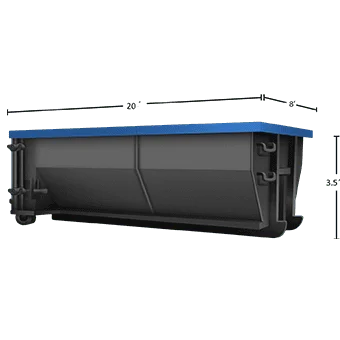
How a roll-off rental serves the project
A roll-off is a removable debris container brought to and recovered from the property by the provider’s handling vehicle. It offers a loading point for an accepted project load while remaining separate from the truck between visits. Ask which offered container suits the material, expected amount and loading method; the format name alone does not establish dimensions, capacity, allowed contents or availability.
The standing position must work for loading and for the complete delivery and recovery operation. Give the provider the ground, approach, gates, overhead conditions and space that other activities will occupy during the hire. Confirm the rental period, material and weight conditions, disposal provisions and whether an exchange is needed. Provider-handled movement and an expressly arranged replacement container are different from permission for tenants or contractors to move the box themselves.
Identify the authorised loading groups
A roll-off container serving more than one tenant needs one clear loading and collection arrangement. Agree which work and materials it covers before different people start using it. A container outside a building is not a general invitation to add unrelated waste.
Describe the project and the tenants, contractors or staff who will place material in the container. Ask the provider what materials are accepted and what needs separate handling. Bulky contents and dense debris can require different arrangements, so an apparently similar volume does not establish the same load.
For example, an office clearout container should not silently become the destination for another tenant’s renovation debris. Share the accepted material instructions with everyone involved. If the job reveals unknown liquids, chemicals or other uncertain items, stop adding them and obtain guidance before the scope changes.
Give the loading area a workable boundary
Review the surface, doors, loading method and surrounding movement with the provider. Explain how unrelated dumping will be discouraged without attaching unapproved structures to the container or blocking its recovery. Keep pedestrian routes, exits and the sanitation approach usable.
The truck needs room to deliver and remove the container, not merely a place where the box fits. Describe gates, overhead restrictions and turning conditions. Confirm property consent and any required public-space permission separately; another tenant’s building approval does not settle the container position.
Use one contact for fill and exchange decisions
Give loaders the provider’s accepted fill, weight and material conditions. Do not assume crushing or stacking a load removes those limits. If the container approaches its accepted limit, ask the nominated contact to discuss an exchange rather than allowing each group to request a different pickup.
Coordinate any exchange with work and vehicle movements. Do not load during the collection operation, move the container or use improvised attachments. If portable toilets are present, keep debris staging separate from their tank servicing, cleaning and user routes.
Compare a quote for the shared scope
Send the Chicago address, material types, expected loading, project period and access details. Ask for the offered container, delivery, hire period, collection, disposal or weight provisions and exchange terms. Explain the authorised user groups so the request reflects the real load rather than only the first tenant’s contribution.
Confirm who can approve a change and request final collection. Keep the approach clear until removal, including after the principal cleanout team leaves. A single documented arrangement helps prevent an unrelated late load or conflicting instruction from changing an otherwise completed job.
Questions before you book
May every tenant use a container on shared property?
Only within the agreed arrangement. Confirm authorised users and accepted materials so unrelated loading does not change the provider’s scope.
Can different tenants request pickup independently?
Nominate a contact who can coordinate the shared job and give the provider consistent instructions. Confirm that authority before collection or an exchange.