
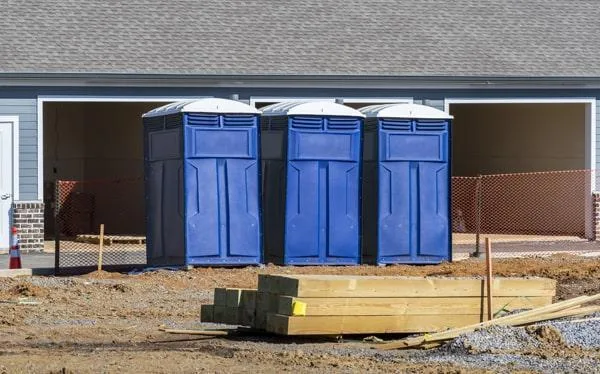
Build a starting arrangement that can be reviewed
A standard cabin provides private toilet use and holds waste for servicing. Include handwashing and review accessible needs for the people using the site. Ask about offered equipment and confirmed fittings; a particular flushing, lighting or internal-sink feature is not assumed for every cabin.
Give the provider the expected crew pattern and the milestones that change it. Additional trades, longer shifts or reopened permanent facilities can alter demand. Agree when the site contact will request a review rather than treating the initial quantity or care arrangement as correct for every phase.
Find the first break in usable facilities
The largest construction crew may arrive after the existing bathroom is already out of use. Put temporary restroom provision into the sequence of work before demolition, isolation or restricted access creates the gap. A modest early crew still needs an arrangement that functions from its first occupied shift.
Ask the project team when workers will lose permission or practical access to permanent toilets. That date may differ from the main construction start, the demolition date on a programme or the arrival of a major trade. Identify who is present during surveys, clearance and preparation as well as the main work.
Consider a renovation where stripping out the existing bathroom precedes a larger fit-out crew. An order based only on the later workforce start would leave the early phase unresolved. Confirm a usable temporary setup before the loss of facilities, subject to actual equipment and delivery availability.
Keep the temporary arrangement outside the work being removed
Show the proposed position, worker approach and provider access on the current site plan. If fencing, excavation or materials deliveries will change those routes, explain the sequence before installation. The provider should assess the surface and handling conditions; do not assume special lift or upper-floor placement is included.
Confirm property consent and the relevant project requirements. Do not choose a convenient position that the next phase will immediately enclose without an agreed alternative. Planned changes should be reviewed with the provider rather than solved by contractors moving the equipment themselves.
Keep care in the programme until workers finish
Agree tank servicing, cleaning, paper and washing replenishment for each occupied phase. Name the person who reports shortages, damage or blocked entry. Permanent bathrooms should only reduce the temporary arrangement once they are usable and the relevant workers are allowed to access them.
Request a quote covering delivery before need, the expected rental period, care and the collection process. Explain uncertain milestones and extension terms. Final cleanup can continue after the main build is complete, so coordinate the last use and recovery without assuming a programme date automatically schedules pickup.
Questions before you book
Should delivery follow the date when the biggest crew arrives?
First identify when any workers lose usable permanent facilities. The temporary arrangement should address that earlier gap as well as later demand.
Can newly installed bathrooms replace the rental immediately?
Confirm that they are usable and available to the relevant workers, then agree any equipment change and collection with the provider.